
laminated glass pane
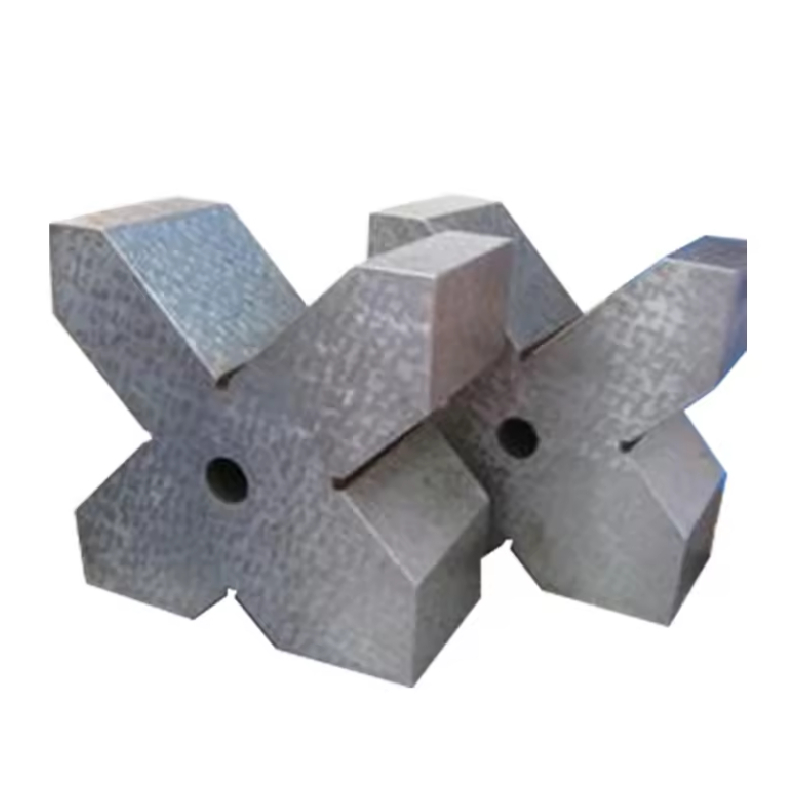
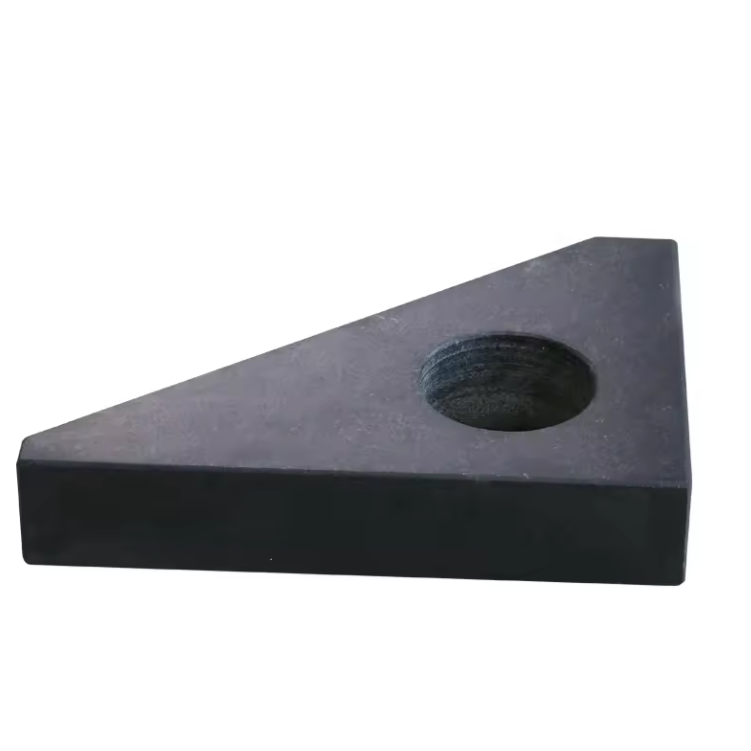
Exploring the Utility of Magnetic V-Blocks A 4-Inch Solution for Precision Work In the realm of precision engineering and manufacturing, the use of specialized tools is paramount to achieving the highest levels of accuracy and efficiency. Among these, magnetic V-blocks have carved a niche as indispensable workshop companions, particularly the 4-inch variant, which strikes a balance between versatility and manageability. This article delves into the features, applications, and benefits of the 4-inch magnetic V-block, underscoring its significance in various industries. **Understanding Magnetic V-Blocks** Magnetic V-blocks are precision-machined tools designed with two intersecting flat surfaces forming a 'V' shape. They are typically made from high-grade steel or iron, ensuring durability and resistance to wear. What sets them apart from traditional V-blocks is their magnetic base. This innovation allows for secure clamping onto ferromagnetic surfaces without the need for additional fixing devices, enhancing stability during machining, measurement, or inspection processes. **The 4-Inch Magnetic V-Block A Versatile Choice** Measuring 4 inches in length along the V-groove, this size is a popular choice due to its adaptability to a wide array of workpieces. It's small enough to handle intricate components like small engine parts, valves, shafts, and cylindrical objects, yet large enough to accommodate medium-sized pieces requiring meticulous alignment or support. The compact size also makes it easy to store and transport, a boon for mobile workshops or on-site repair services. **Key Features & Benefits** 1. **Enhanced Clamping Stability** The magnetic base ensures a strong, even grip on metal surfaces, minimizing vibrations that could compromise measurement accuracy or machining quality. This feature is particularly valuable when working with delicate or precise operations where stability is crucial. 2. **Efficiency and Time-Saving** Traditional V-blocks require clamps or straps to secure them in place, adding setup time and complexity. Magnetic V-blocks eliminate these steps, allowing users to swiftly position and begin work, thereby streamlining workflows. 3 3 3 3 magnetic v block 4 inch . **Versatility in Application** From grinding and milling to inspection and assembly tasks, 4-inch magnetic V-blocks prove their worth across multiple stages of production. They can hold round, cylindrical, or irregularly shaped objects securely, making them indispensable in quality control departments for checking tolerances and straightness. 4. **Ease of Use and Adjustability** Users can easily reposition or rotate workpieces thanks to the quick-release mechanism of the magnetic force. This not only speeds up processes but also promotes flexibility in handling different types of jobs. 5. **Durability and Repeatability** High-quality magnetic V-blocks are built to withstand rigorous use and maintain their dimensional accuracy over time. This guarantees consistent results, contributing to overall process reliability. **Applications Across Industries** The 4-inch magnetic V-block finds extensive usage in automotive, aerospace, medical device manufacturing, and general engineering sectors. In the automotive industry, they facilitate the accurate machining and inspection of engine components. Aerospace manufacturers rely on them for the precise alignment of critical parts under strict tolerances. Medical device makers benefit from their precision during the delicate fabrication of surgical instruments and implants. **Conclusion** The 4-inch magnetic V-block stands as a testament to the ongoing evolution of precision tooling, marrying simplicity with advanced functionality. Its ability to enhance productivity, ensure accuracy, and facilitate ease of use across a broad spectrum of applications underscores its value as an essential tool in modern manufacturing and engineering environments. As technology advances and the demand for precision increases, magnetic V-blocks, especially those in versatile sizes like 4 inches, will undoubtedly continue to play a pivotal role in driving industrial efficiency and quality.
about
laminated glass pane
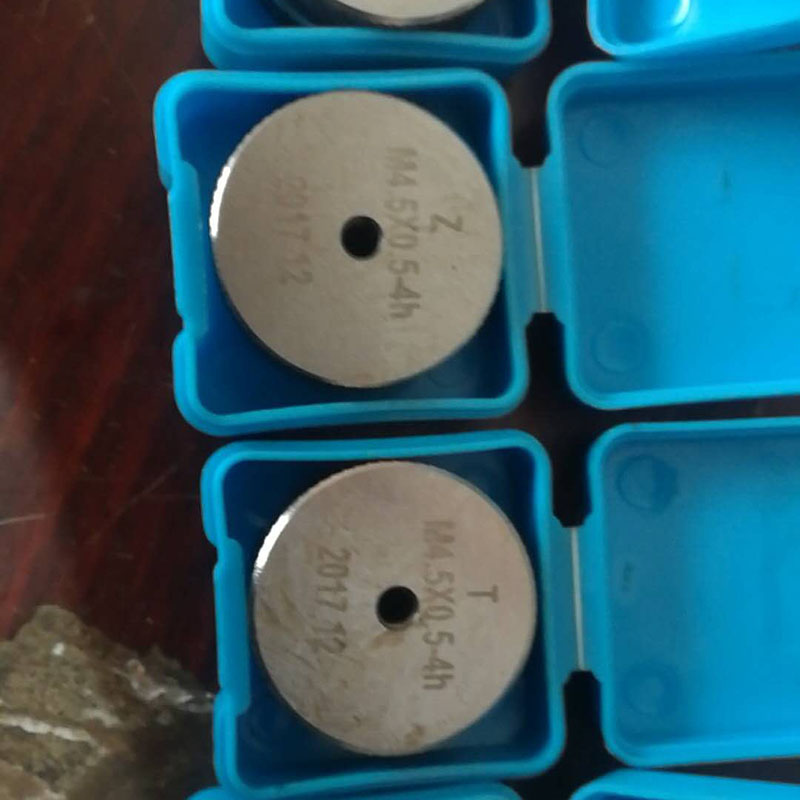
Understanding Plug Gauges Essential Tools for Precision Measurement In various engineering and manufacturing fields, precision measurement is crucial for ensuring the quality and functionality of components. One of the tools that play a vital role in this process is the plug gauge. This article delves into the concept of plug gauges, their construction, application, and significance in maintaining quality standards. What is a Plug Gauge? A plug gauge is a type of limit gauge used to check the dimensional tolerance of holes or other components. Specifically, it is designed to measure the diameter of a hole, ensuring that it meets specified tolerances. Unlike other measuring instruments, plug gauges are non-measuring tools that simply indicate whether a part is within acceptable size limits. Essentially, they serve a binary function a part either fits or it does not. Construction of Plug Gauges Plug gauges are typically cylindrical in shape and can be made from a variety of materials, including steel, carbide, or other resilient materials, depending on the application. They often come in two forms the Go and No-Go gauges. The Go gauge is designed to fit comfortably within the hole if the hole is within tolerance, while the No-Go gauge should not fit at all if the hole meets the specified requirements. The design allows for easy use on the shop floor, enabling operators to quickly assess the acceptability of parts without the need for elaborate measuring instruments. Quality assurance personnel often use plug gauges in conjunction with other measuring devices to validate the dimensional accuracy of components during the manufacturing process. Applications of Plug Gauges plug gauge Plug gauges find extensive applications across various industries, including automotive, aerospace, and manufacturing. They are essential in industries where precision is vital, such as in the production of gears, bearings, and valves. For instance, in the aerospace sector, where component reliability is paramount, plug gauges ensure that critical fittings and assemblies meet stringent regulations and standards. Any deviation from specified tolerances could lead to catastrophic failures; thus, the role of plug gauges in quality control cannot be overstated. In addition to checking hole sizes, plug gauges can also be used in the setup phase of machines, ensuring that all components fit correctly before operational testing begins. This preemptive approach can save companies time and resources by reducing the likelihood of defects in final products. Importance of Calibration and Maintenance While plug gauges are simple tools, their accuracy is dependent on proper calibration and maintenance. Over time, wear and tear can affect their dimensions, leading to inaccurate measurements. Regular inspection and calibration against certified standards are essential to ensure that plug gauges remain reliable. Users must also be aware of factors such as temperature and humidity that can affect the material properties of the gauges. Proper storage conditions, as well as adherence to usage guidelines, are crucial for maintaining their accuracy. Conclusion In summary, plug gauges are indispensable tools in the quality assurance process across multiple industries. Their straightforward design and function provide an efficient means of assessing component tolerances, thereby ensuring that products meet rigorous standards. As manufacturing processes become increasingly complex, the role of reliable measuring devices like plug gauges will continue to be vital in producing high-quality, precise components that meet the demands of modern industries. By understanding and effectively utilizing these tools, organizations can enhance their quality control measures, ultimately leading to better products and increased customer satisfaction.
-

High quality industrial productsagement

High quality industrial products
View Details -

Meet the diverse needs of customers

Meet the diverse needs of customers
View Details -

Strict quality control

Strict quality control
View Details -

Top raw materials

Top raw materials
View Details -

Trusted supplier

Trusted supplier
View Details
Our application
news and information

Versatile Clamps for Securely Holding Workpieces on Welding Tables
The Essential Guide to Welding Table Clamps Welding is an integral part of various industries, from
Valve Manufacturing Process and Innovative Techniques for Enhanced Performance
The Evolution and Importance of Valve Factories in Modern Industry Valve factories play a crucial ro

Y Strainer Flange Type - Enhance Your Pipeline Efficiency
The Importance of Y Strainer Flange Type in Fluid Management In the world of fluid management, ensur
 English